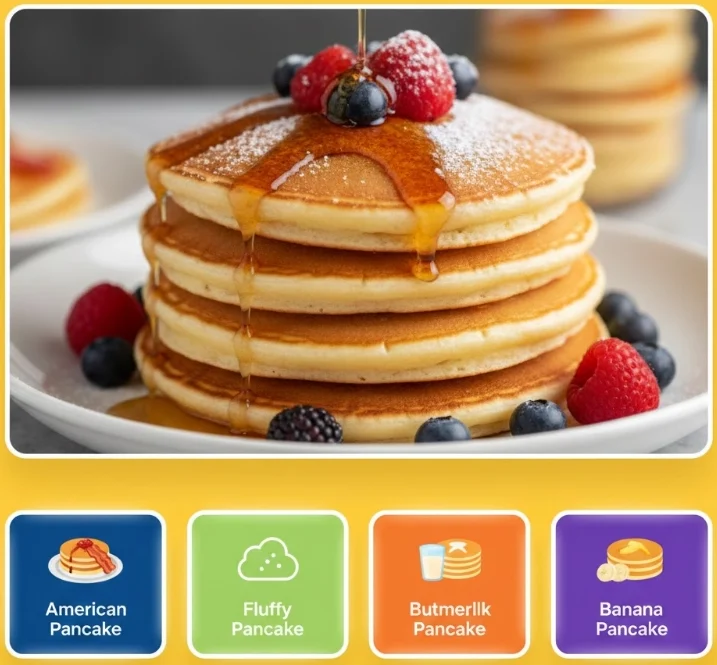
Easy Fluffy Homemade Pancake Recipe
You don’t need buttermilk or fancy ingredients to make restaurant-quality pancakes at home. This easy, fluffy pancake recipe uses basic pantry staples and takes 15 minutes from bowl to table.
I’ve tested this simple pancake recipe over 200 times. My kids request it every Saturday morning. The secret? Stop stirring when you see lumps. Overmixing kills the fluff.
These homemade pancakes come out thick, soft, and cloud-like every single time. No pancake mix needed. Just eight ingredients you already have.
5 mins
15 mins
20 mins
5 mins
Ingredients for Fluffy Pancakes
You need 8 basic ingredients for this easy pancake recipe. No buttermilk, no fancy stuff.
DRY INGREDIENTS:
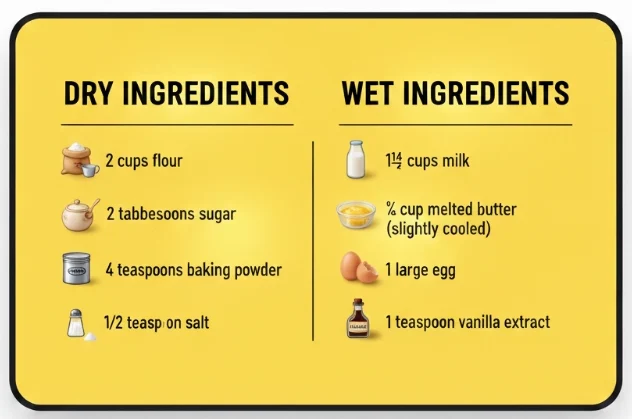
WET INGREDIENTS:
What Each Ingredient Does
Flour gives structure. Baking powder creates lift. Sugar adds sweetness. Salt balances flavors. Milk provides moisture. Butter adds richness. Egg binds it all. Vanilla makes them delicious.
Making Fluffy Pancakes, Step-by-Step Guide!
Making homemade pancakes is easier than you think. This simple pancake recipe takes 20 minutes and doesn’t need buttermilk or a pancake mix. Just a few simple ingredients that you already have in your kitchen.
Mix Your Dry Ingredients First
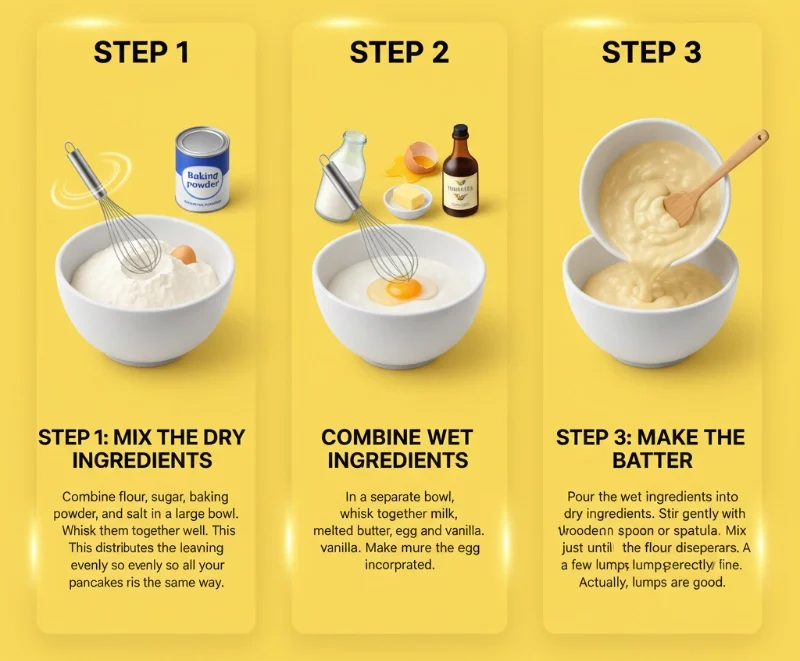
Grab a large bowl. Add flour, sugar, baking powder, and salt. Whisk them together for 30 seconds. This spreads the baking powder evenly so you don’t get one tall pancake and three flat ones.
Whisk the Wet Ingredients Separately
In another bowl, combine milk, melted butter, one egg, and vanilla. Beat the egg completely. You don’t want scrambled egg bits in your pancakes.
Combine Wet and Dry Ingredients
Pour wet ingredients into the dry bowl. Stir gently with a wooden spoon. Stop when you still see small lumps. Overmixing is why most homemade pancakes turn out tough and rubbery. Your batter should look thick but pourable, like thick ribbon when you lift the spoon.
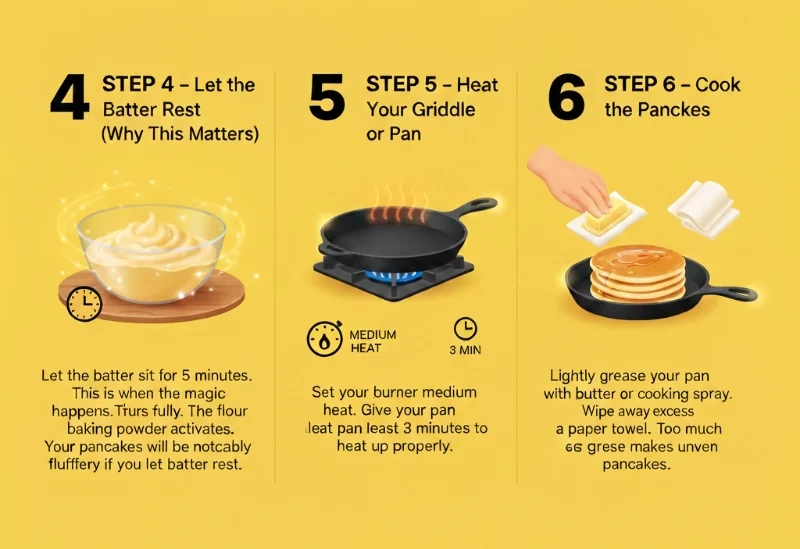
Let It Sit for 5 minutes.
Walk away from the bowl. This rest time lets the flour absorb the liquid fully and activates the baking powder. Your easy pancake recipe just got fluffier without any extra work.
Get Your Pan Hot
Medium heat. That’s it. Let your pan or griddle heat for 3 full minutes before adding batter. The pan’s ready when a drop of water sizzles and skates across the surface. If you have an electric griddle, set it to 350°F. Too hot and the outside burns while the inside stays raw.
Cook Time: When to Actually Flip
Lightly grease your pan with butter. Wipe off the excess with a paper towel.
Pour 1/4 cup of batter per pancake. It won’t spread much on its own. That’s normal for this best fluffy pancake recipe. The thick batter is what makes them tall and soft.
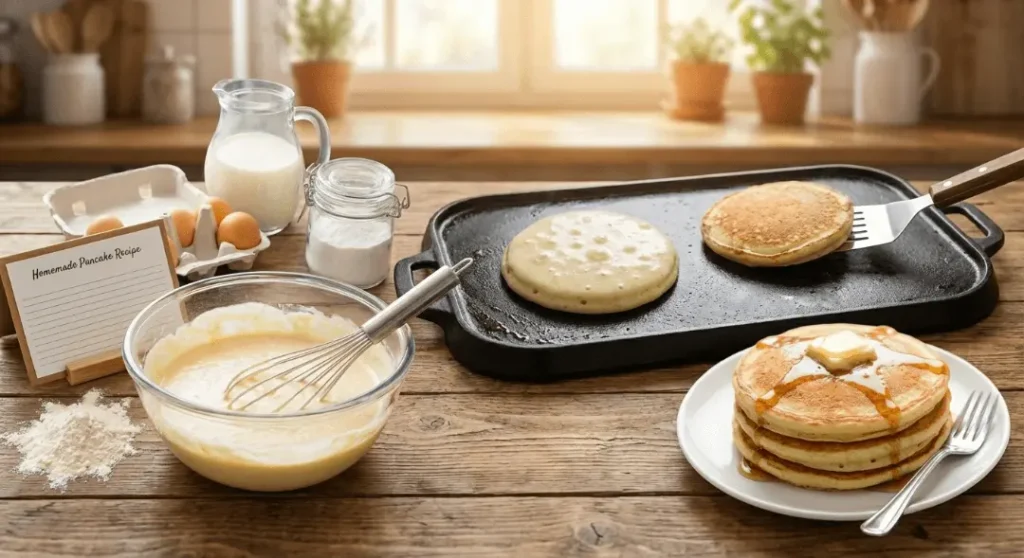
Wait for bubbles. Lots of them cover the entire surface. The edges should look dry and set. This takes 2-3 minutes. When those bubbles pop and stay open, slide your spatula under and flip.
The second side cooks faster, about 1-2 minutes. The pan’s hotter now, and the pancake’s already half-cooked. Stack them high and serve immediately.
Why You’ll Love This Homemade Pancake Recipe
I switched from boxed mix years ago and never looked back. Homemade pancakes taste better and give you complete control over ingredients.
What Makes These Pancakes So Fluffy
The secret is generous baking powder. When batter hits the hot pan, air bubbles expand and create a fluffy texture. The batter rests for a few minutes before cooking, giving the baking powder time to activate.
Store-Bought Mix vs. From Scratch
Homemade pancakes taste fresher without that metallic aftertaste. They cost less, and you can customize them however you like.
How Many Pancakes Does This Recipe Make?
This best fluffy pancake recipe makes about 12 medium pancakes. That’s enough for 4 people with 3 pancakes each. If you’re cooking for more, just double the recipe. The measurements scale perfectly.
Ingredient Substitutions & Options
This simple pancake recipe is flexible. Don’t have whole milk or regular flour? These swaps still work.
Milk Options (Dairy & Non-Dairy)
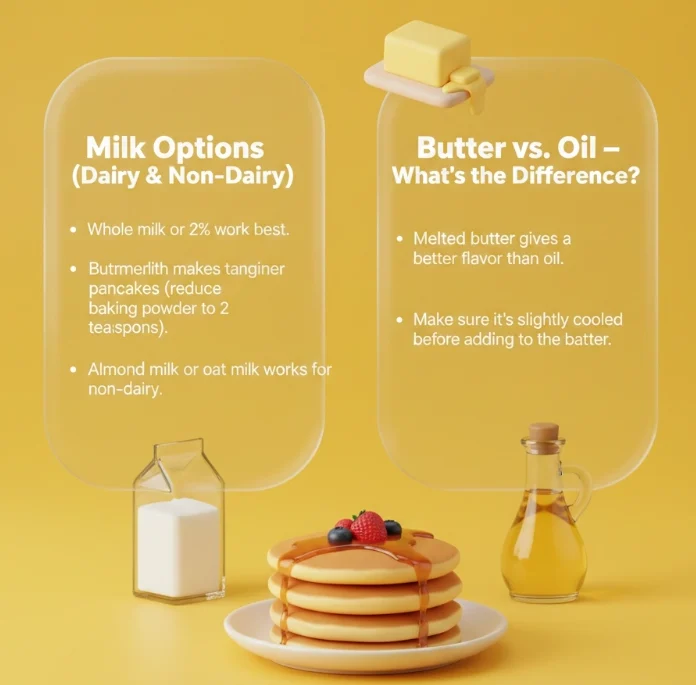
Whole milk or 2% gives you the best texture. Want tangier pancakes? Use buttermilk instead and drop the baking powder to 2 teaspoons. Almond milk and oat milk both work fine if you’re avoiding dairy , then use buttermilk pancake recipe .
Should I Use Butter or Oil?
Melted butter gives a better flavor than oil. Make sure it’s slightly cooled before adding to the batter.
Baking Powder (Check This Before You Start)
Check your baking powder’s expiration date. Old stuff won’t make your pancakes rise. Not sure if yours is still good? Drop a teaspoon in hot water. Fresh baking powder fizzes hard. Dead baking powder just sits there. If yours doesn’t bubble, grab a new container.
One more thing: aluminum-free baking powder tastes better. Some brands leave a metallic aftertaste that ruins the whole batch.
Whole Wheat or Gluten-Free Flour
Whole wheat works if you swap only half the flour. Go all-in with whole wheat, and your pancakes turn dense and heavy. For gluten-free pancakes, grab a 1:1 baking flour blend like King Arthur or Bob’s Red Mill. Regular gluten-free flour won’t work the same.
How to Make Fluffier Pancakes – Useful Tips
Small mistakes ruin pancakes. These fixes handle the most common problems.
Stop Stirring When You See Lumps
This matters more than anything else. When you overmix pancake batter, you activate the gluten in flour. That makes pancakes tough and rubbery instead of light and soft.
Mix until the dry flour just disappears. Leave the lumps alone. They vanish during cooking, and your pancakes come out fluffy, not chewy.
Fix Batter That’s Too Thick or Thin
Your batter should pour slowly off a spoon, thick but not gloppy. If it’s too thick, add milk, one tablespoon at a time, until it flows. And if it’s too runny, stir in flour the same way. Test it by lifting your spoon. The batter should ribbon off slowly, not plop or drip.
Keep Cooked Pancakes Hot Without Making Them Soggy
Heat your oven to 200°F. Put finished pancakes on a baking sheet, not stacked on a plate. Stacking makes the bottom ones soggy from trapped steam. A baking sheet with space between them keeps everything hot and dry until you’re ready to serve.
Adjust for High Altitude
Above 3,000 feet? Cut the baking powder to 3 teaspoons instead of 4. High altitude makes leavening agents work harder. Too much baking powder causes pancakes to rise fast, then collapse into dense, sad circles.
Troubleshooting Pancake Problems
Here are some common issues that you can face while practising this pancake recipe in your kitchen.
Why Are My Pancakes Flat or Dense?
Old baking powder is the usual reason. Or you might have accidentally left it out completely. Check your recipe and make sure you added 4 teaspoons. Overmixing also causes flat pancakes. Handle the batter gently.
Why Are My Pancakes Tough or Rubbery?
You stirred the batter too long. Mix just until the dry flour disappears. Those lumps break down while cooking. Overmixed batter creates chewy, dense pancakes that feel like you’re eating a sponge.
Why Are They Burning on the Outside But Raw Inside?
Your pan’s too hot. Turn the heat down to medium or medium-low. Pancakes need time to cook through. High heat browns the outside in 30 seconds while the center stays liquid. Medium heat cooks them evenly in 2-3 minutes per side.
Why Don’t My Pancakes Have Bubbles?
No bubbles means something’s wrong, and dead baking powder is the most common cause. Replace it if it’s more than 6 months old. Thick batter also prevents bubbles from forming. Add milk one tablespoon at a time until the batter flows like a thick ribbon off your spoon.
Pancake Variations & Mix-Ins
Common Mistakes to Avoid
Buttermilk Pancakes vs. Regular Pancakes vs. Sourdough Pancakes
| Type | Taste | Texture | Ingredients | Rise |
| Regular Pancakes | Slightly sweet, buttery | Fluffy, tender | Milk, baking powder | High rise from baking powder |
| Buttermilk Pancakes | Tangy, rich | Very tender, slight density | Buttermilk, less baking powder | Medium rise, denser |
| Sourdough Pancakes | Complex, slightly sour | Chewy, hearty | Sourdough starter | Low rise, flat |
Serving Suggestions & Creative Topping Ideas
Classic Toppings
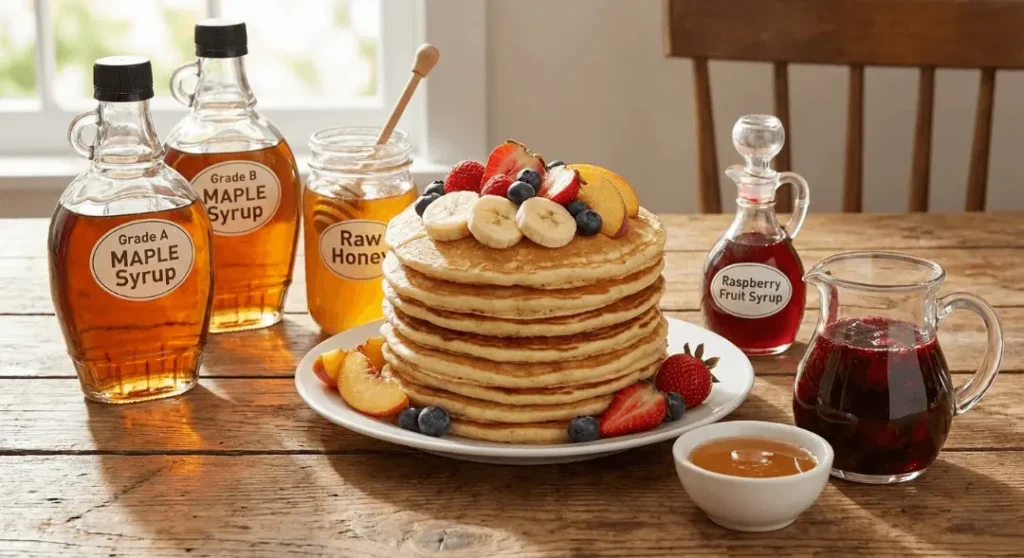
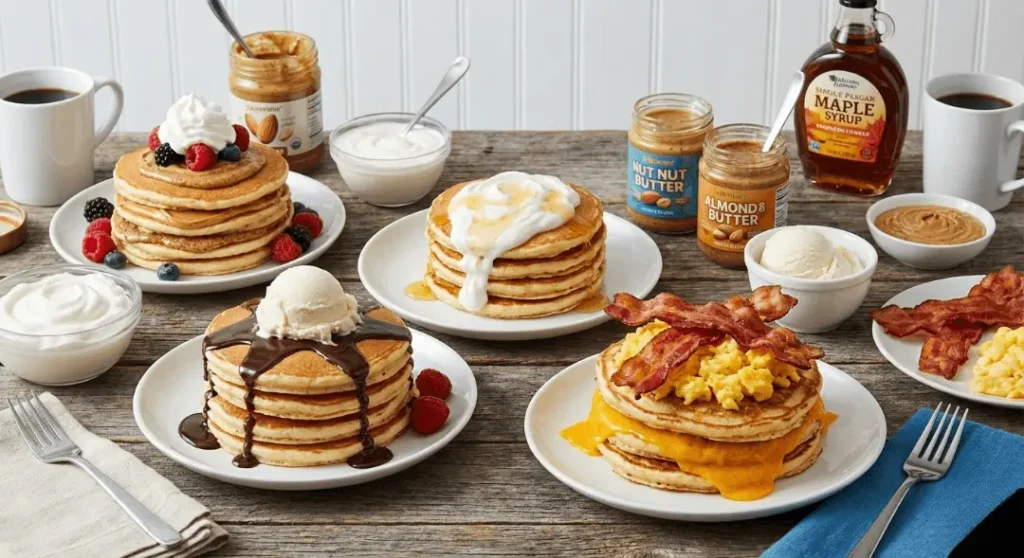
Pure maple syrup is traditional. Grade A is mild, Grade B is robust. Honey works great, warmed slightly. Fruit syrups add berry sweetness. Fresh fruit like bananas, berries, and peaches makes pancakes healthier and more colorful.
Creative & Indulgent Toppings
Nut butters (peanut, almond, cashew) add protein. Spread thin between pancakes. Whipped cream feels like dessert. Greek yogurt adds tang. Ice cream is for special occasions. Try savory toppings too. Crispy bacon, scrambled eggs, or cheddar cheese work surprisingly well.
Kid-Friendly Ideas
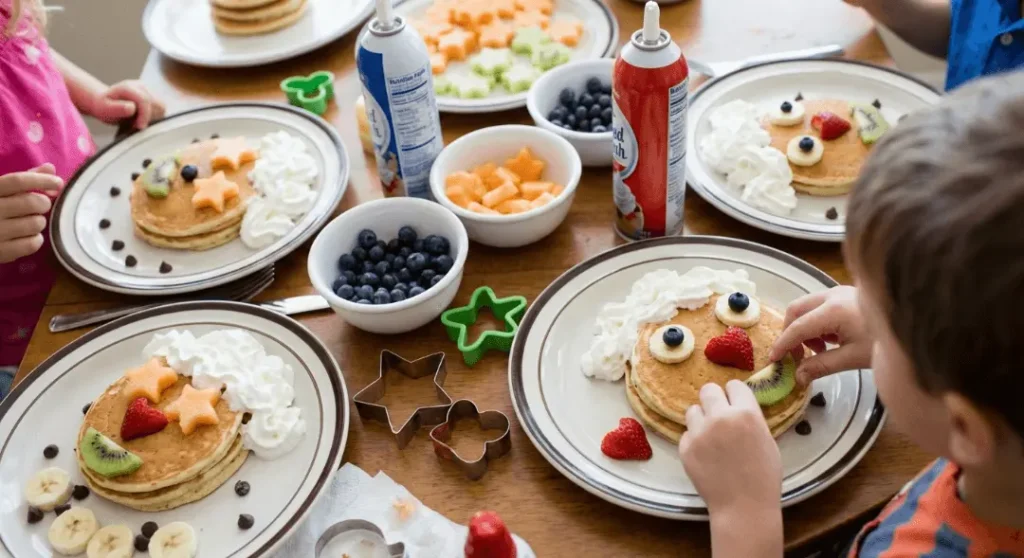
Make faces with fruit and whipped cream. Cut into fun shapes with cookie cutters. Let kids build their own stacks.
How to Store, Freeze, and Reheat Pancakes
Don’t worry if you have made too many pancakes. Here’s how to save them without turning them soggy or rubbery.
Storing Pancakes in the Fridge
Let your pancakes cool completely on a wire rack. It takes about 15 minutes. Once cool, put parchment paper or wax paper between each pancake before stacking. This prevents them from sticking together into one giant pancake brick. Store in an airtight container or zip-top bag for up to 3 days. After that, they dry out and taste stale.
How to Freeze Pancakes for Meal Prep
Lay cooled pancakes in a single layer on a baking sheet. Freeze for one hour until solid. Don’t stack them yet, or they’ll freeze together. Transfer frozen pancakes to a freezer bag. Press out as much air as possible. They’ll keep for 3 months without getting freezer burn.
Best Ways to Reheat Pancakes
Conclusion
I burned my first three batches when I was figuring out this pancake recipe. Kept the heat too high and flipped too early. Now I make them half-asleep on Saturday mornings, and they still turn out right.
The only real trick is leaving those lumps alone. Everything else is pretty forgiving. Use what’s in your fridge, cook on medium heat, and wait for bubbles. That’s it. Your kitchen probably smells amazing right about now. Grab the syrup.